
Changdeokgung Palace is one of the most beautiful and historically significant royal palaces in Korea — a place where Joseon Dynasty architecture, Confucian philosophy, and natural harmony come together in a stunning cultural landscape.
Designated as a UNESCO World Heritage Site in 1997, Changdeokgung is not just a palace; it’s a masterpiece of architectural integration with nature — especially reflected in its famous Secret Garden (Huwon).
This guide will help you plan a perfect visit — with history, access tips, seasonal highlights, itinerary suggestions, and essential practical information.
🏯 A Brief History of Changdeokgung Palace
Changdeokgung was built in 1405 by King Taejong, the 3rd king of the Joseon Dynasty, as a secondary palace to Gyeongbokgung. However, it became the main palace for several centuries because of its strategic elegance and comfort.
Unlike many royal palaces that followed strict symmetrical planning, Changdeokgung was designed to harmonize with the surrounding terrain, embracing hills, valleys, and natural features rather than dominating them — a principle deeply rooted in Confucian and traditional Korean philosophy.
Over its 600-year history, the palace has survived multiple conflicts, reconstruction phases, and major restorations, ultimately being recognized by UNESCO as an outstanding example of Far Eastern palace architecture.
📍 Why It’s a UNESCO World Heritage Site
Changdeokgung was inscribed on the UNESCO World Heritage List for its:
- Exceptional harmony with natural landscapes
- Sophisticated palace and garden design
- Historic embodiment of Korean palace and garden aesthetics
UNESCO describes it as one of the most outstanding examples of palace architecture and landscape design in East Asia, perfectly adapted to its environment.
🗺️ Where It Is & How to Get There
Location: 99 Yulgok-ro, Jongno-gu, Seoul, South Korea.
By Subway:
- Anguk Station (Line 3), Exit 3 — ~5 minutes walk to Donhwamun (main gate).
By Bus:
Routes including 109, 151, 162, 171, 172 stop near the palace.
By Car:
Limited parking; public transportation is recommended.
🕰 Opening Hours & Entrance Fees
- Changdeokgung Palace: 09:00–18:00 (spring and autumn often extended to 18:30).
- Secret Garden (Huwon): Guided tours only — reservations required; typically advance booking opens 6 days before your visit.
- Palace Admission Fee: ~3,000 KRW
- Secret Garden Tour Fee: ~5,000 KRW (separate)
Note: Holiday schedules and special tours may change — always check official palace or Cultural Heritage Administration sites before visiting.
🌿 What to See at Changdeokgung
🌸 1. Donhwamun Gate (Main Entrance)
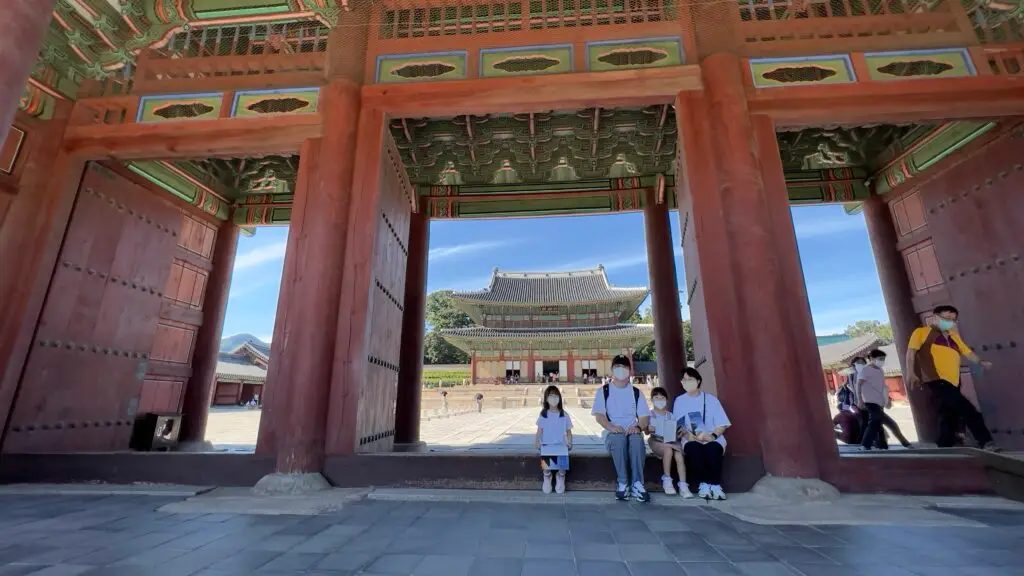
Start your visit at Donhwamun, the grand main gate that welcomes visitors into the palace complex. It sets the tone for Korea’s royal architectural grandeur.
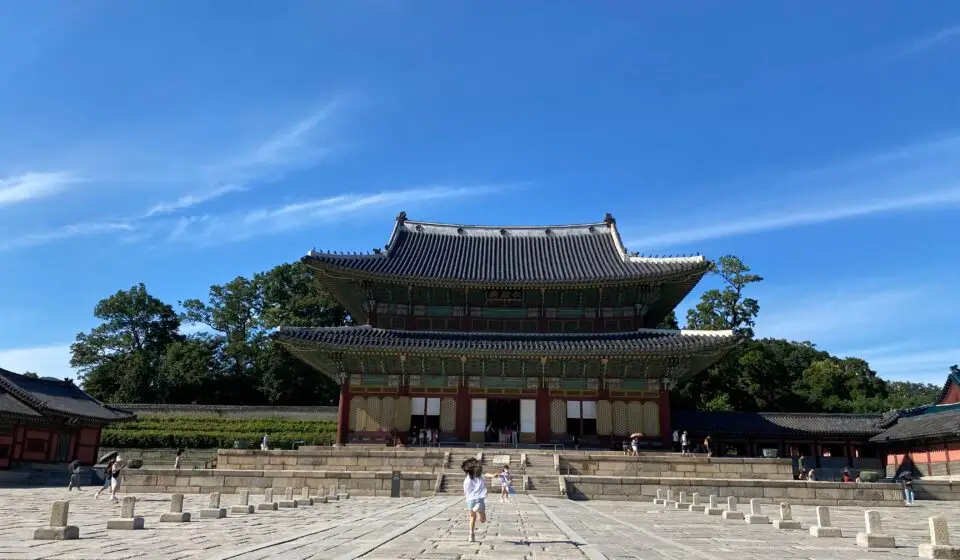
🏛 2. Injeongjeon Hall (Main Throne Hall)
Injeongjeon served as the main state hall where royal ceremonies, official audiences, and key government functions took place. Its serene symmetry and wooden architecture beautifully contrast with the surrounding natural backdrop.

🏠 3. Huijeongdang & Seonjeongjeon
These halls represent the private and administrative living spaces of kings and ministers:
- Huijeongdang: A royal residence and meeting place.
- Seonjeongjeon: An audience hall for official duties.
🌳 4. Secret Garden (Huwon)
The crown jewel of Changdeokgung, the Secret Garden was a private retreat for Joseon kings and nobles.
Here you’ll find:
- Buyongji Pond & Buyongjeong Pavilion — a classic scenic spot with lotus flowers in summer.
- Aeryeonjeong Pavilion — a favorite viewpoint offering sweeping natural vistas.
- Rocky streams, shaded paths, and quiet wooden pavilions that reveal the Confucian ideal of harmony between humans and nature.
Important: Entry is through guided tours only to protect the garden’s delicate ecosystem, and tours often sell out — plan in advance.

🌸 Seasonal Highlights
Spring (March–May)
Cherry blossoms and azaleas make the palace grounds exceptionally scenic — for walkable photo routes and reflective moments.
Summer (June–August)
Lush greenery and shaded paths make this a cool retreat from the city heat.
Autumn (September–November)
Fiery foliage transforms the Secret Garden into a photographer’s paradise — many visitors time their visit specifically for this season.
Winter (December–February)
Snow-dusted rooftops and tranquil courtyards create a serene atmosphere for contemplative exploration.
📸 Photography Tips
✔ Arrive early in the morning for soft lighting.
✔ Use wide lenses for garden landscapes and architectural details.
✔ Focus on nature frames — seasonal flowers, reflections in ponds, and layered rooftops.
Secret Garden tours often offer the most unique photo opportunities because they include hidden pavilions and secluded pathways.

⏱ Suggested Visit Itinerary
Half-Day Plan
09:00 – Enter Donhwamun and explore palace halls
10:00 – Stroll through courtyard and state buildings
11:00 – Secret Garden guided tour (90 minutes)
12:30 – Lunch in nearby Bukchon/Insadong area
Full Day Plan
Add:
- Bukchon Hanok Village walk
- Insadong cultural street visit
- Cheonggyecheon Stream stroll
The proximity of these attractions means you can easily combine them into a single day of cultural exploration.
🍂 Nearby Attractions (Walkable)
📍 Bukchon Hanok Village – Historic hanok street with stunning views and cafes
📍 Insadong Cultural Street – Art, shops, tea houses
📍 Cheonggyecheon Stream – Urban oasis for a relaxing walk after palace exploration
These help turn your palace visit into a full cultural immersion day in central Seoul.
🛶 Tips Before You Go
✔ Buy your Secret Garden reservation online early — tours are limited and can sell out.
✔ Wear comfortable walking shoes — the grounds and garden paths cover several kilometers.
✔ Check the official Cultural Heritage Administration site for seasonal hours and special tours.
✔ Consider renting hanbok (traditional Korean clothing) — entrance to many palaces is free while wearing one (check current policies).
🏁 Final Thoughts
Changdeokgung Palace is more than a historic site — it’s a living testament to Korea’s architectural wisdom, cultural values, and timeless beauty. From ceremonial halls to hidden garden paths, its rich layers reward visitors who take time to explore thoughtfully.
Whether you’re a history enthusiast, photographer, or traveler seeking deeper insight into Korea’s royal heritage, Changdeokgung deserves a central place on your Seoul itinerary.