The History of Korean Floor Heating: From Traditional Ondol to Modern Boiler Systems

One of the most unique features of traditional Korean houses is the heated floor system known as Ondol. Unlike Western heating methods that warm the air, Korea developed a system that heats the floor itself. Even today, modern Korean homes continue this tradition in an evolved form.
This is the story of how traditional stone-heated floors became today’s modern boiler heating system.
1. Traditional Ondol: The Birth of Korea’s Floor Heating Culture
Korea developed Ondol (구들장) centuries ago, long before modern central heating existed. Archaeological evidence suggests early forms appeared during the Three Kingdoms period.
In traditional Korean houses called Hanok, heat from a wood-burning kitchen stove traveled through horizontal flues built under large stone slabs. The smoke moved beneath the floor before exiting through a chimney, warming the stones and, eventually, the entire room.

How Traditional Ondol Worked
- Fire was lit in the kitchen stove (Agungi).
- Heat and smoke traveled through stone tunnels.
- Thick flat stones (Guduljang) absorbed and stored heat.
- Warmth slowly radiated upward into the room.
This system created long-lasting, gentle warmth — perfect for Korea’s cold winters.
Because the floor was warm, Koreans traditionally sat, ate, and slept on the floor. This shaped Korea’s interior culture: low tables, floor bedding, and minimal furniture.
2. Ondol and Korean Lifestyle
The heated floor influenced more than architecture — it shaped social behavior and design.
- Sitting culture instead of chair culture
- Sleeping on floor mats (yo)
- Open interior layouts without heavy furniture
Warm floors also encouraged close family gatherings during winter.

3. Modernization: Coal and Briquette Heating (20th Century)
During the early 20th century, Korea transitioned from firewood to coal briquettes. The traditional flue system remained, but fuel sources changed.
However, this method had drawbacks:
- Smoke leakage risks
- Carbon monoxide danger
- Labor-intensive maintenance
Urbanization in the 1960s–80s created demand for safer, more efficient heating systems.
4. The Modern Boiler System: Reinventing Ondol
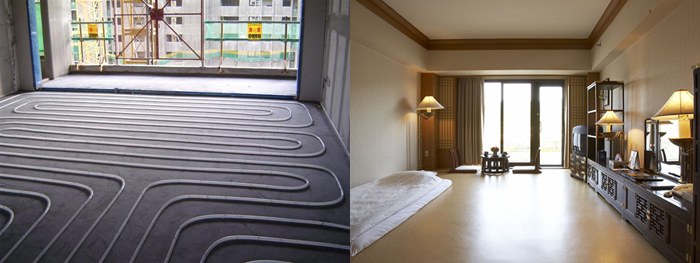
Today, almost every apartment in South Korea uses a hydronic floor heating system connected to a gas boiler.
Instead of smoke traveling beneath stones:
- Heated water flows through plastic pipes under concrete floors.
- Thermostats regulate temperature.
- Heat distribution is clean, safe, and efficient.

5. From Stone to Smart Heating
Modern systems now include:
- Smart temperature control
- Zoned heating by room
- Energy-efficient condensing boilers
Despite technological upgrades, the core idea remains unchanged:
Warm the floor first, then warm the people.
Few countries have preserved such a direct architectural link between ancient and modern heating technology.

6. Why Ondol Still Matters Today
Even in high-rise apartments in cities like Seoul, people remove their shoes before entering homes. The warm floor is still central to Korean daily life.
Ondol is not just a heating system — it is a cultural foundation.
When you sit on a warm floor in winter, you are experiencing a tradition that is over a thousand years old.
Experiencing Ondol Culture on Foot
If you want to experience traditional ondol directly, visit a preserved hanok village or stay in a hanok guesthouse during winter. Feeling the warmth under your feet connects you instantly to Korea’s architectural heritage.
From burning wood beneath stone slabs to smart-controlled boilers, Korea’s floor heating system tells a story of innovation rooted in tradition.
And it all begins from the floor.