Gwanghwamun Square: Seoul’s Historic and Cultural Heart (2026 Complete Travel Guide)

Gwanghwamun Square is one of Seoul’s most symbolic and important public spaces — a place where Korean history, culture, national pride, and modern city life intersect in one scenic plaza at the core of the capital.
From world-famous statues and historical installations to seasonal events and panoramic views of the surrounding palaces and mountains, this square offers deep insight into Korea’s heritage and identity. Whether you’re a history lover, photographer, or traveler exploring Seoul on foot — this guide has everything you need to make the most of your visit.

1. What Is Gwanghwamun Square?
Gwanghwamun Square is a major open plaza located along Sejong-daero in central Seoul. It stretches roughly 555 meters long and 34 meters wide, and connects modern Seoul with historical places like Gyeongbokgung Palace and nearby cultural sites.
In recent years, the square underwent a major renovation that:
- Significantly expanded the public space
- Added green areas, walking paths, and fountains
- Created the History Waterway — a meaningful installation tracing Korea’s timeline
- Included leisure water features like the Myeongnyang and Hangeul fountains
Today, the square blends natural space, public art, cultural experiences, and historical storytelling in one place.
2. A Walk Through Korean History
📍 Statues of National Heroes
Two monumental statues stand prominently in the square:
🗿 King Sejong the Great
King Sejong is one of Korea’s most revered monarchs, credited with inventing Hangeul, the Korean alphabet — a symbol of cultural innovation and identity.
Visitors can explore an underground exhibition beneath his statue dedicated to his life, achievements in science, language, and governance.
⚓ Admiral Yi Sun-sin
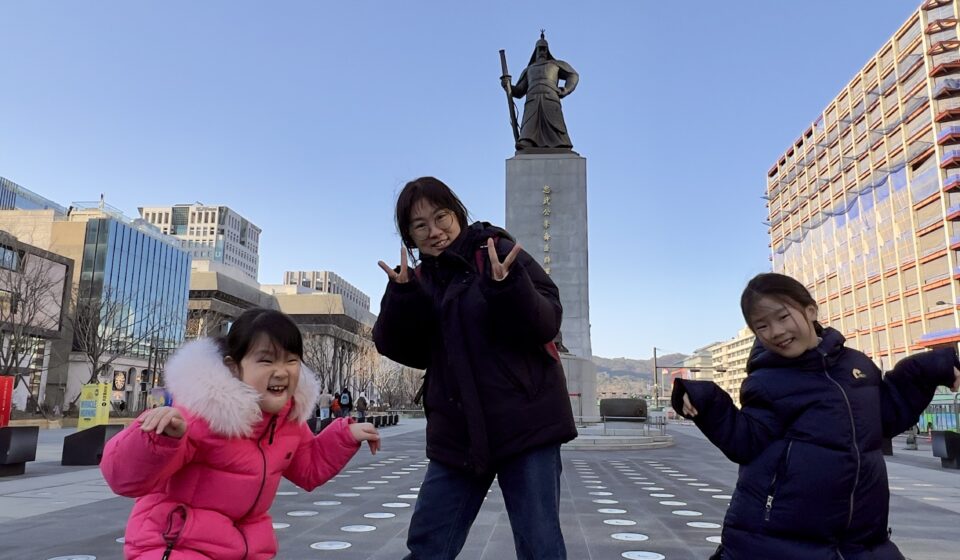
Known as one of Korea’s greatest military heroes, Admiral Yi Sun-sin led remarkable naval victories during the late 16th century, particularly against overwhelming odds. His statue symbolizes bravery, resilience, and national pride.

3. Key Attractions in the Square
🌀 History Waterway
A 212-meter long channel engraved with key events in Korean history from the founding of the Joseon Dynasty (1392) to the present, allowing visitors to literally “walk through history.”
💦 Myeongnyang Fountain & Hangeul Fountain
Water features that refresh the plaza atmosphere and highlight cultural symbolism — the Hangeul fountain, for example, shoots water in the shapes that represent letters of the Korean alphabet.
🪟 Cultural Exhibits & Buried Heritage
During renovation, historical sites once buried were excavated and preserved right in the plaza, including remnants of old government entrances and roads. These are displayed for visitors to appreciate Seoul’s layered history.
4. When to Visit & Best Experience Tips
Gwanghwamun Square is open 24 hours and free to visit — but different times offer very different experiences:
🌞 Morning – Calm & Clear Views
Early morning light provides excellent views of Gyeongbokgung Palace framed behind the square — perfect for photography and reflective walks.
🌇 Evening – Lights & Relaxation
The square takes on a peaceful mood with lighting and city ambience — ideal for sunset strolls.
📅 Seasonal Highlights
- Winter (Dec–Jan): Seoul Light Gwanghwamun — media art and light installations bring the square to life at night.
- Holiday Season: Christmas Market — festive stalls and decorations create a cozy atmosphere for photos and snacks.
- Spring/Summer Events — cultural festivals, performances, or art installations are often held on weekends.

5. How to Get There
Gwanghwamun Square is centrally located and easy to access via Seoul’s subway system:
🚇 Gwanghwamun Station (Line 5) — best direct access
🚇 Gyeongbokgung Station (Line 3) — ~6 min walk
🚇 City Hall Station (Line 1/2) — ~7 min walk
Once off the train, just follow the signs toward Gwanghwamun Square — the wide, open plaza is hard to miss.
6. Nearby Attractions You Can Combine
Because of its central location, Gwanghwamun Square fits perfectly into a Seoul walking itinerary. Nearby highlights include:
📍 Gyeongbokgung Palace – Korea’s main royal palace
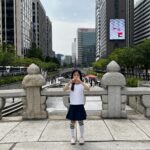
📍 Cheonggyecheon Stream – urban oasis walking route
📍 Insadong & Bukchon Hanok Village – traditional tea houses, art galleries, hanok streets
📍 Museums like the Seoul Museum of History and National Museum of Korean Contemporary History (great for cultural depth)
With this setup, you can easily spend a half-day or full day exploring the area on foot.
7. Practical Tips for Travelers
✔ Admission: Free to all visitors
✔ Best time to explore: Spring, autumn, early evening
✔ Walking route suggestion: Start at the square → Gyeongbokgung → Palace grounds → Bukchon → Insadong
✔ Food options: Street vendors and cafés nearby, or underground shopping center near Gwanghwamun Station for snacks
8. Seasonal Events (Don’t Miss Them!)
🎄 Seoul Light Gwanghwamun
A winter lighting and media art installation that transforms the plaza into an outdoor gallery with large projections and illuminated art pieces.
🏮 Seoul Lantern Festival
Held through late fall and early winter, this festival fills the area around the square and nearby Cheonggyecheon Stream with beautiful lantern displays and cultural showcases.
🎉 Local Cultural Events
Throughout the year, you may encounter poetry contests, music performances, yoga gatherings, and more, especially on weekends.
9. A Cultural & Historical Insight
What makes Gwanghwamun Square special is that it’s not just a plaza — it’s a living classroom of Korea’s identity:
✔ Royal heritage through its connection to the Joseon Dynasty
✔ Language & culture through King Sejong’s legacy
✔ Military resilience through Admiral Yi’s story
✔ Modern civic space reflecting democratic values and public life
Walking here offers both a physical break in the city and a meaningful narrative of Korean history that few other places can match.

10. Final Thoughts
Whether you’re planning a short visit or a deeper exploration of Seoul, Gwanghwamun Square should be high on your itinerary. With free access, rich cultural context, and unmatched location, it represents the heart of Korea’s past and present.
Add this to your Seoul trip for history, culture, photography, and a relaxed urban walk — all in one place.
📌 Pro Tip: Combine your visit with Gyeongbokgung Palace and Cheonggyecheon Stream for a full day of sightseeing in central Seoul.