Namsangol Hanok Village & Korea House — Enhanced Guide to Traditional Culture and Cuisine in Central Seoul (2026)

In the heart of Seoul where modern skyscrapers meet history, two cultural destinations offer deep insight into traditional Korean life: Namsangol Hanok Village, a preserved cluster of traditional hanok houses showcasing daily life during the Joseon era, and Korea House, a premium cultural complex where visitors can enjoy authentic royal cuisine and traditional music and dance performances.
These sites are centrally located near Chungmuro and Myeongdong — making them perfect for travelers who want a blend of historical context, cultural depth, immersive experiences, and refined dining — all within a few minutes’ walk.

🏡 Namsangol Hanok Village — Traditional Life in the City
Namsangol Hanok Village is an open-air museum of traditional Korean houses (hanok) that preserves different architectural styles representing various social strata from Korea’s Joseon Dynasty.
Historical and Architectural Significance
Each hanok in the village shows how design reflected practical needs and social hierarchy:
- Ondol floors for winter warmth
- Maru wooden platforms for summer ventilation
- Courtyard-centered layout promoting social interaction
- Natural construction materials like pine wood and clay
These structural features were deeply connected to Korea’s climate and Confucian values, illustrating how traditional living spaces were both functional and symbolic. (Experience & architecture context)
🎎 Cultural Programs and Hands-On Experiences
At Namsangol Hanok Village, visitors can participate in hands-on cultural programs — ideal for deeper engagement and learning:
- Traditional tea ceremonies
- Calligraphy and brush painting workshops
- Hanbok wearing experiences
- Performances of folk music and dance
- Seasonal craft activities and demonstrations
These activities offer travelers a meaningful way to connect with Korean cultural heritage rather than simply observe it from the outside.

🍽 Korea House — Premium Royal Cuisine and Traditional Performance
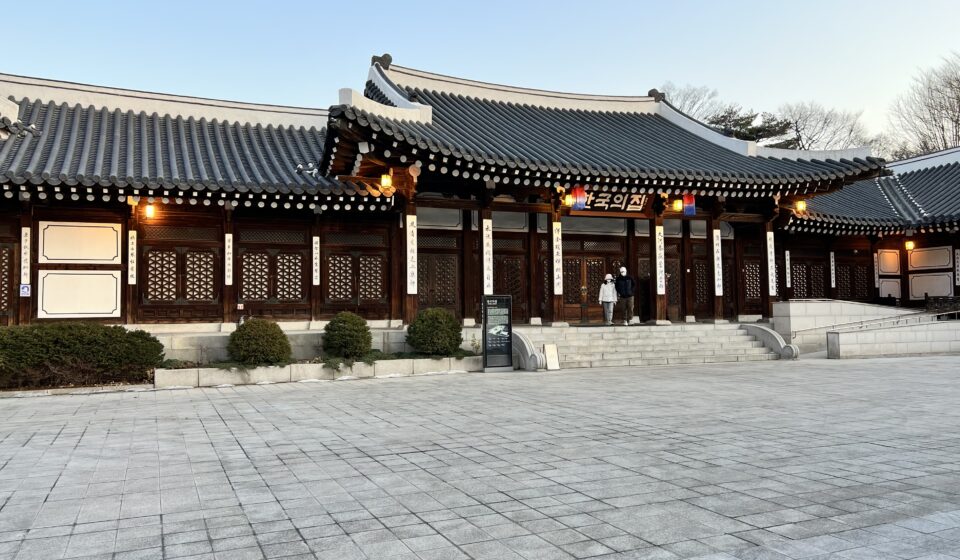
Just steps from Namsangol, Korea House elevates the cultural experience by bringing royal-style Korean cuisine (gungjung yori) and traditional music and dance performances together in a hanok setting.
📍 Location and General Info
- Address: 10 Toegye-ro 36-gil, Jung-gu, Seoul
- Nearby: Chungmuro Station or Myeongdong walkable area
- Architecture: Elegant hanok buildings adapted for dining and performance spaces
- Reservation: Recommended for dinners and performances (especially weekends)
👩🍳 Traditional Course Meal Pricing
Korea House offers multiple full-course traditional menus, each inspired by royal court dining traditions. Prices typically require a minimum of two people ordering the same course:
| Course | Approx. Price per Person |
|---|---|
| Nogeum Course | 68,000 KRW |
| Cheongu Course | 88,000 KRW |
| Haerin Course | 122,000 KRW |
| Eojin Course | 150,000 KRW |
| (All prices based on recent travel listings.) |
Each course includes multiple small dishes, seasonal appetizers, rice porridge, grilled items, stews, and delicacies traditionally served in royal banquets.

🎭 Traditional Performance Pricing
Korea House also hosts traditional Korean music and dance performances shortly after dinner hours.
- Performance with course meal: ~35,000 KRW per person
- Show only (no meal): ~50,000 KRW per person
(Performance duration: approximately 60 minutes.)
Meals and shows are best enjoyed together — the beautifully choreographed performances and traditional attire add layers of meaning to the cuisine.
📅 Best Ways to Plan Your Visit
Suggested Afternoon + Evening Itinerary
12:00–14:00 – Explore Namsangol Hanok Village
14:00–16:00 – Participate in hanbok experience or tea ceremony
16:00–17:30 – Walk to Korea House + relax in the garden
18:00–19:30 – Enjoy a full course dinner
20:00–21:00 – Traditional music and dance performance
Combining both sites makes for an enriching cultural experience anchored in tradition, architecture, culinary art, and performing arts — all within central Seoul.
🎓 Why These Stop Are Culturally Important
These destinations showcase:
- Architectural harmony between nature, community life, and social identity
- Preservation of intangible culture through performance and ritual
- Royal cuisine as a window into historical food customs
- Interactive experiences that go beyond passive sightseeing
Rather than simply sightseeing, this guide helps you learn, taste, and feel Korea’s living traditions.
💡 Practical Tips Before You Go
- Reservations: Especially for Korea House dinner + show, book in advance to secure seatings.
- Timing: Performances usually start around 20:00, so plan dinner accordingly.
- Dress code: Smart casual or hanbok enhances the experience.
- Group Size: Royal courses usually require at least two diners ordering the same menu.